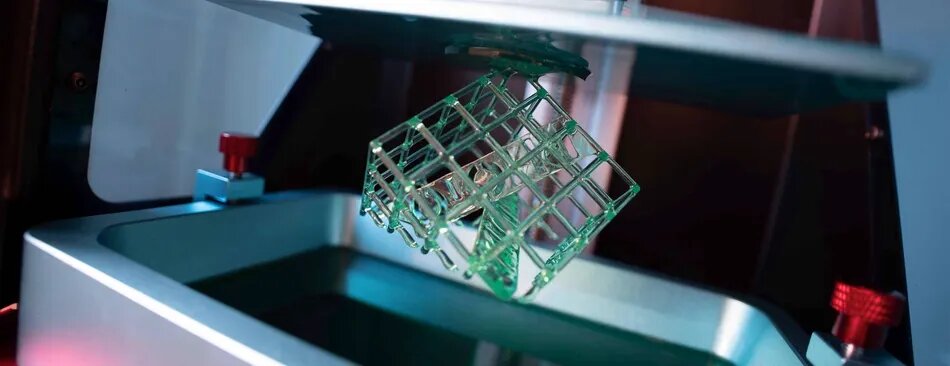
2026-04-30 Why 405nm?
· 405nm near-UV wavelength matches the maximum absorption peak of all mainstream UV photopolymer resins (including elastic resins for 3D printed shoes), enabling efficient photopolymerization/curing.
· Higher photon energy than ordinary LED, deeper curing depth, wider adaptability to high-viscosity, high-filler industrial resins.
Read More 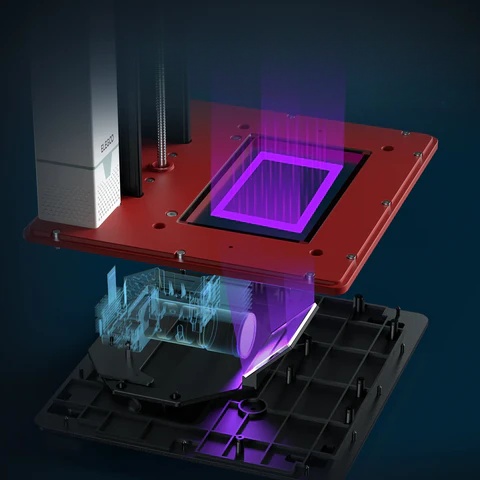
2026-04-21 DLP (Digital Light Processing) is a vat photopolymerization resin 3D printing technology.
Read More 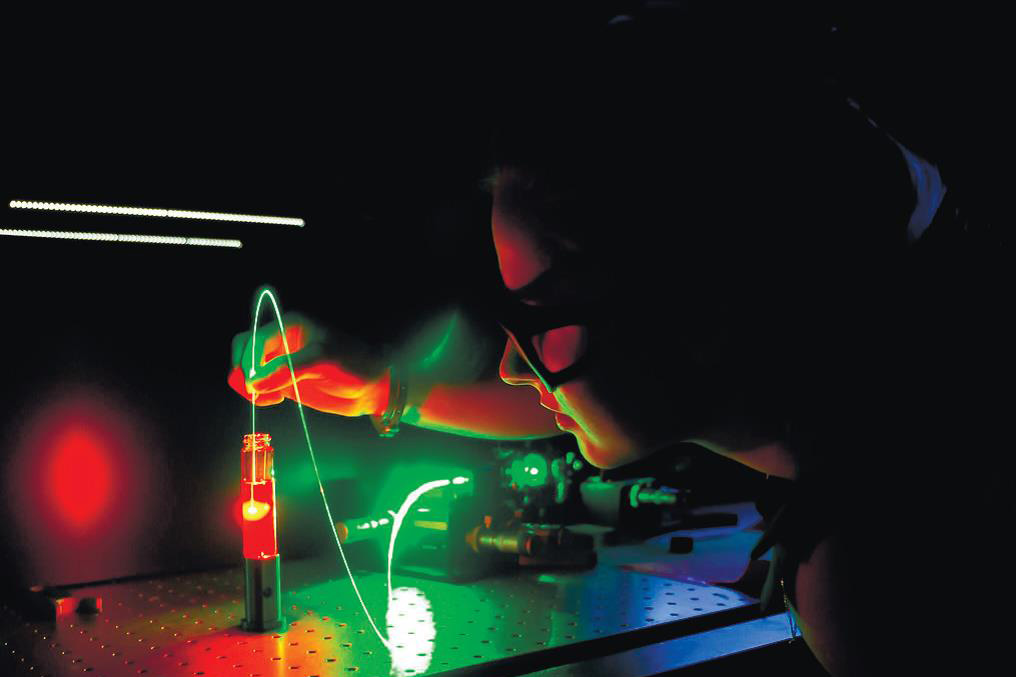
2026-04-20 The feasibility, efficiency, and final beam quality of coupling a laser beam into an optical fiber all depend on the characteristics of the original laser and the type of optical fiber.
Read More 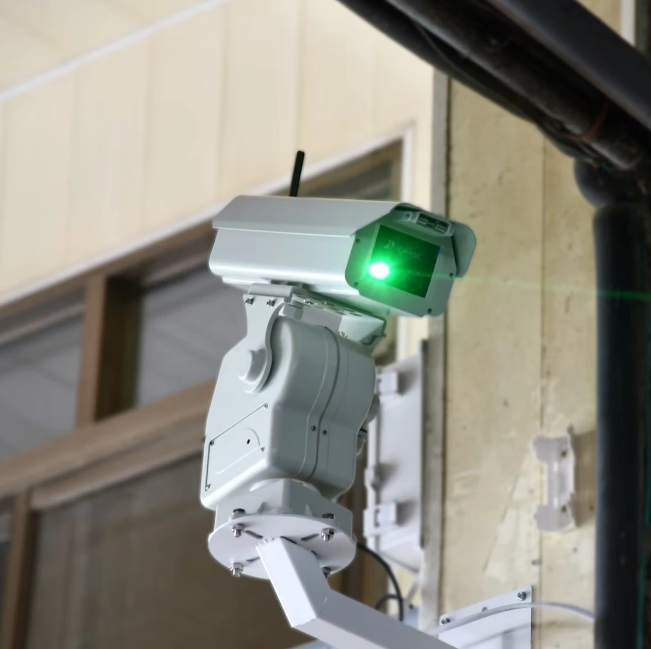
2026-04-18 ,A bird laser deterrent, also called a green laser bird repeller, is a modern device that uses a 520 nm green laser beam to keep birds away from farms, warehouses, airports, and other sensitive areas. It works by projecting a moving green laser light across open spaces or structures, which birds see as a solid, approaching object rather than a harmless light. Because birds' strongest sense is their vision, this sudden visual threat triggers their natural flight instinct, making them flee immediately. Over time, they learn to avoid the area altogether.
Read More 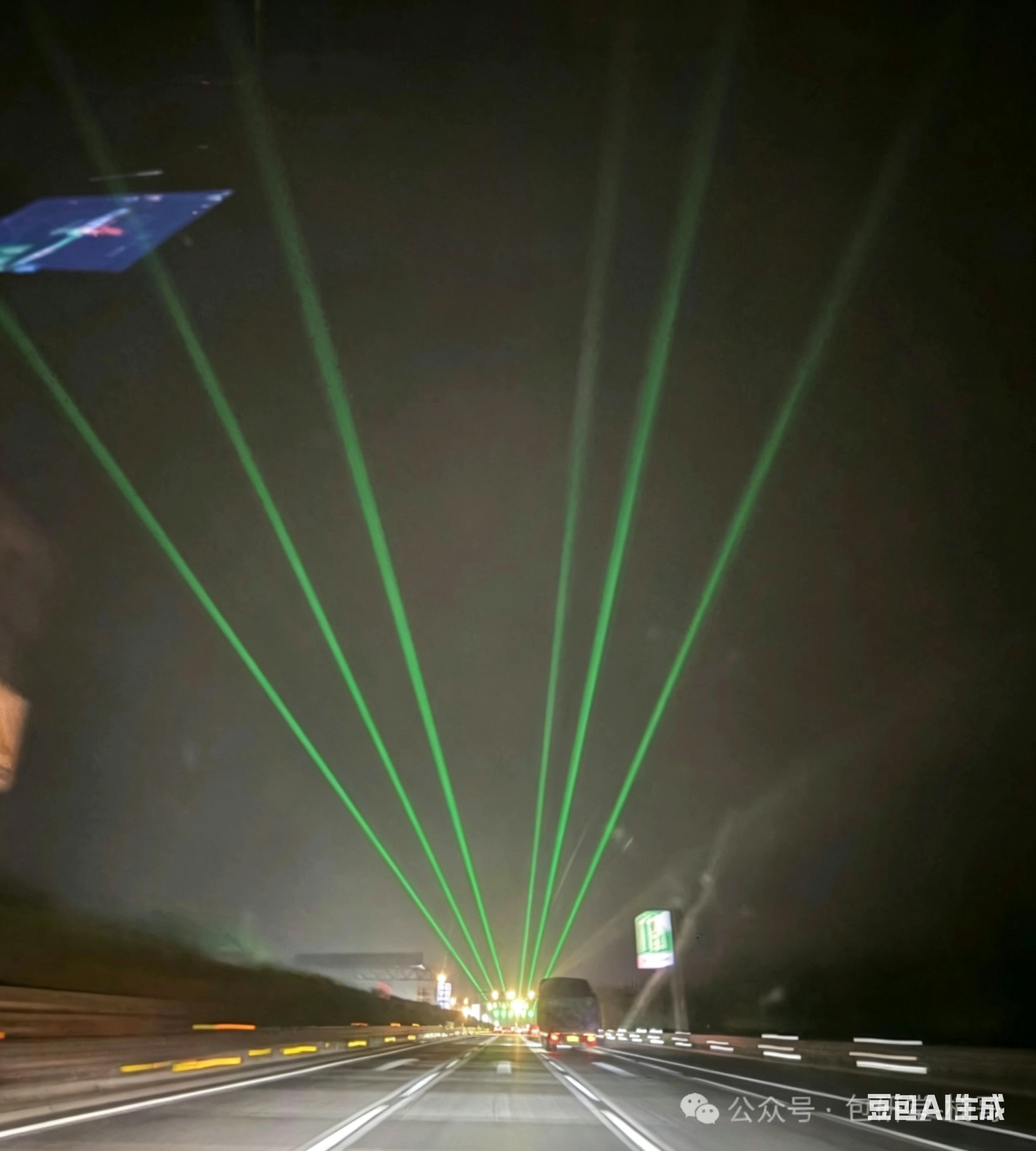
2026-04-16 A "lifesaver" against drowsy driving: These green lasers are officially called anti-drowsy laser lights, and are warning devices specifically designed to improve nighttime driving safety on highways. They are not decorative or speed measuring devices.
Read More 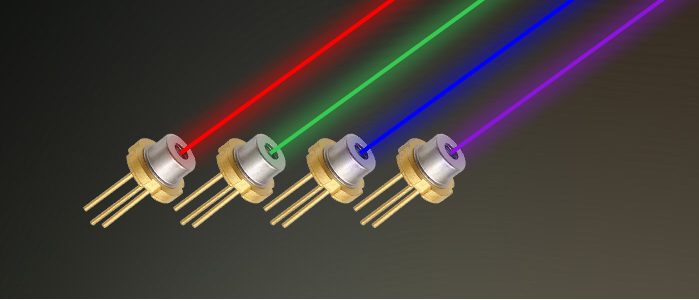
2026-04-09 Laser brightness is the luminous flux (current intensity) per unit area, determined by output power and beam cross-sectional area: with a constant area, higher power means higher brightness; with a fixed power, a smaller area means higher brightness. It is unrelated to wavelength.
Read More 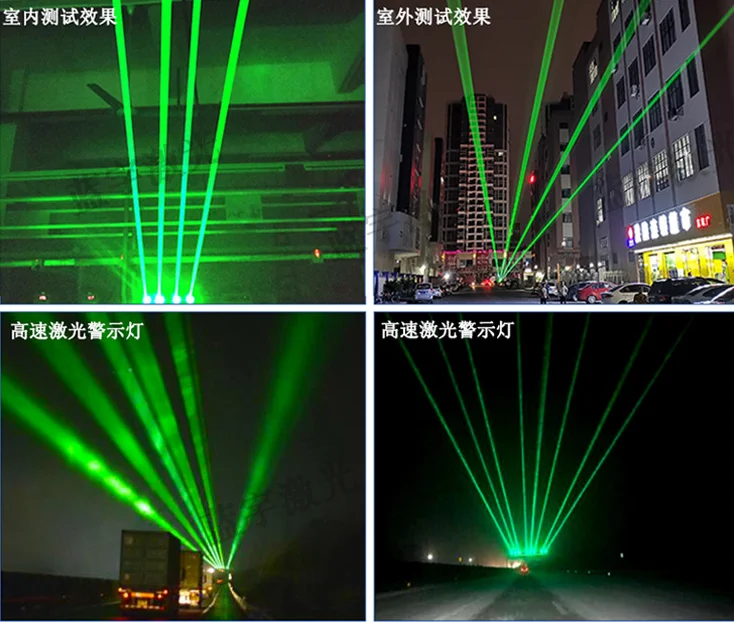
2026-04-09 Many drivers have experience driving long distances on highways at night. On long, straight sections of road, at tunnel entrances, and even on patrol cars parked on the roadside, you'll often see devices resembling green laser lights. This naturally raises the question: what exactly is the purpose o
Read More 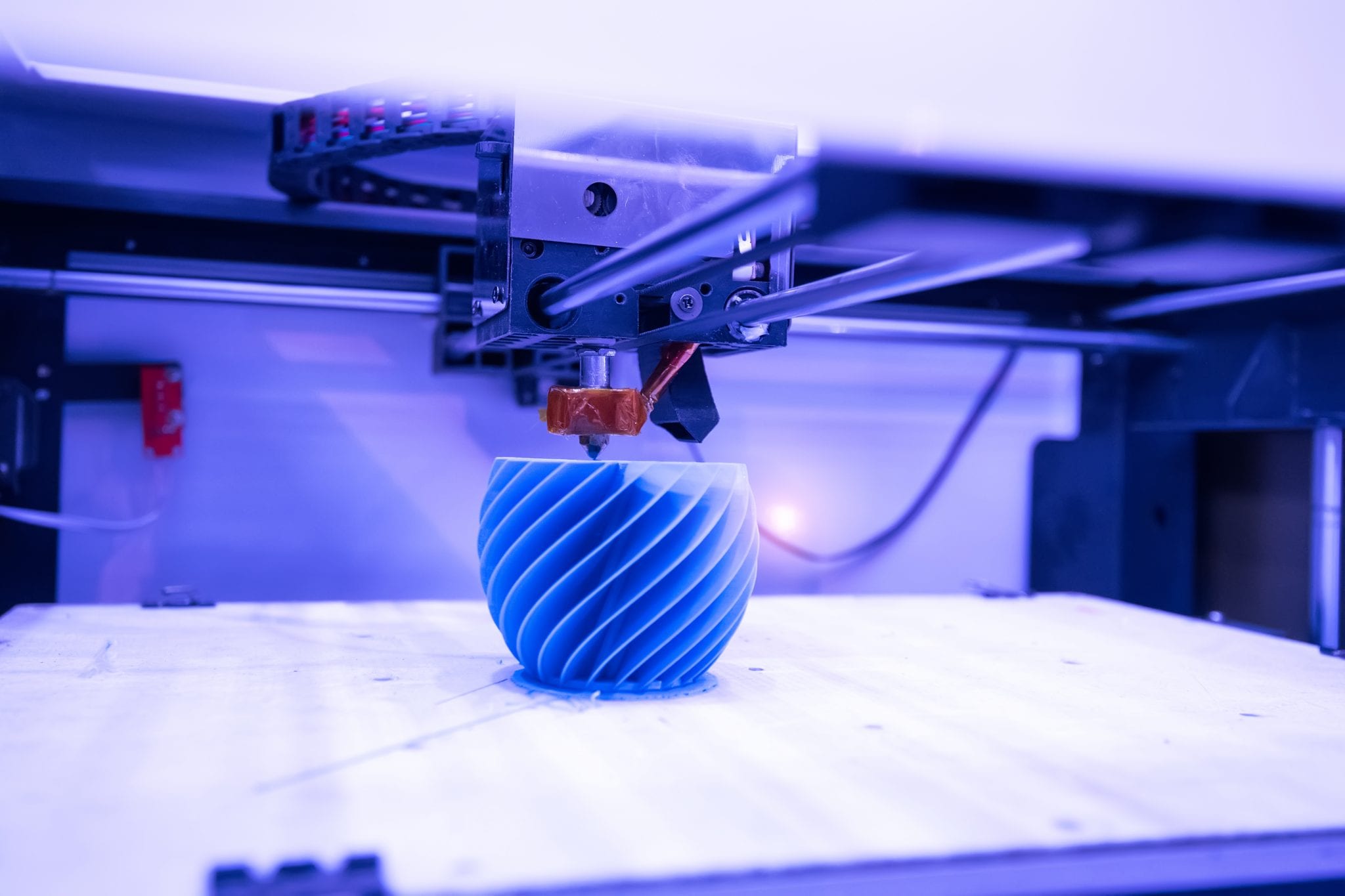
2026-04-09 In the field of photopolymer 3D printing, the combination of lasers and UV-curable resins is considered the core technology, directly supporting the stable operation of mainstream photopolymer 3D printing technologies such as SLA, DLP, and LCD.
Read More 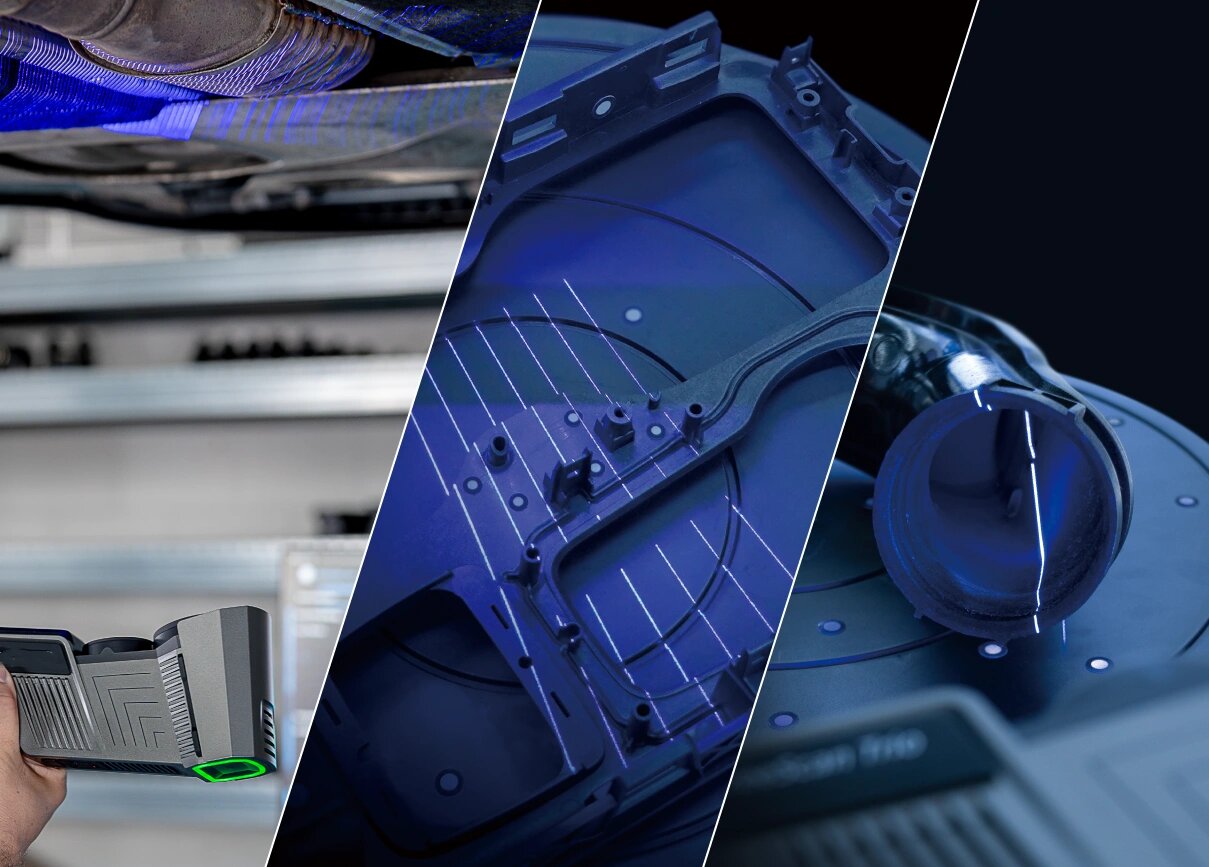
2026-03-09 Innovation in 3D scanning has changed how industries approach design, manufacturing, and digital preservation. At the heart of this transformation is the evolution of multi-line laser technology, a sophisticated approach that’s redefining scanning accuracy, efficiency, and reliability for applications ranging from industrial inspection to reverse engineering and cultural heritage conservation.
Read More 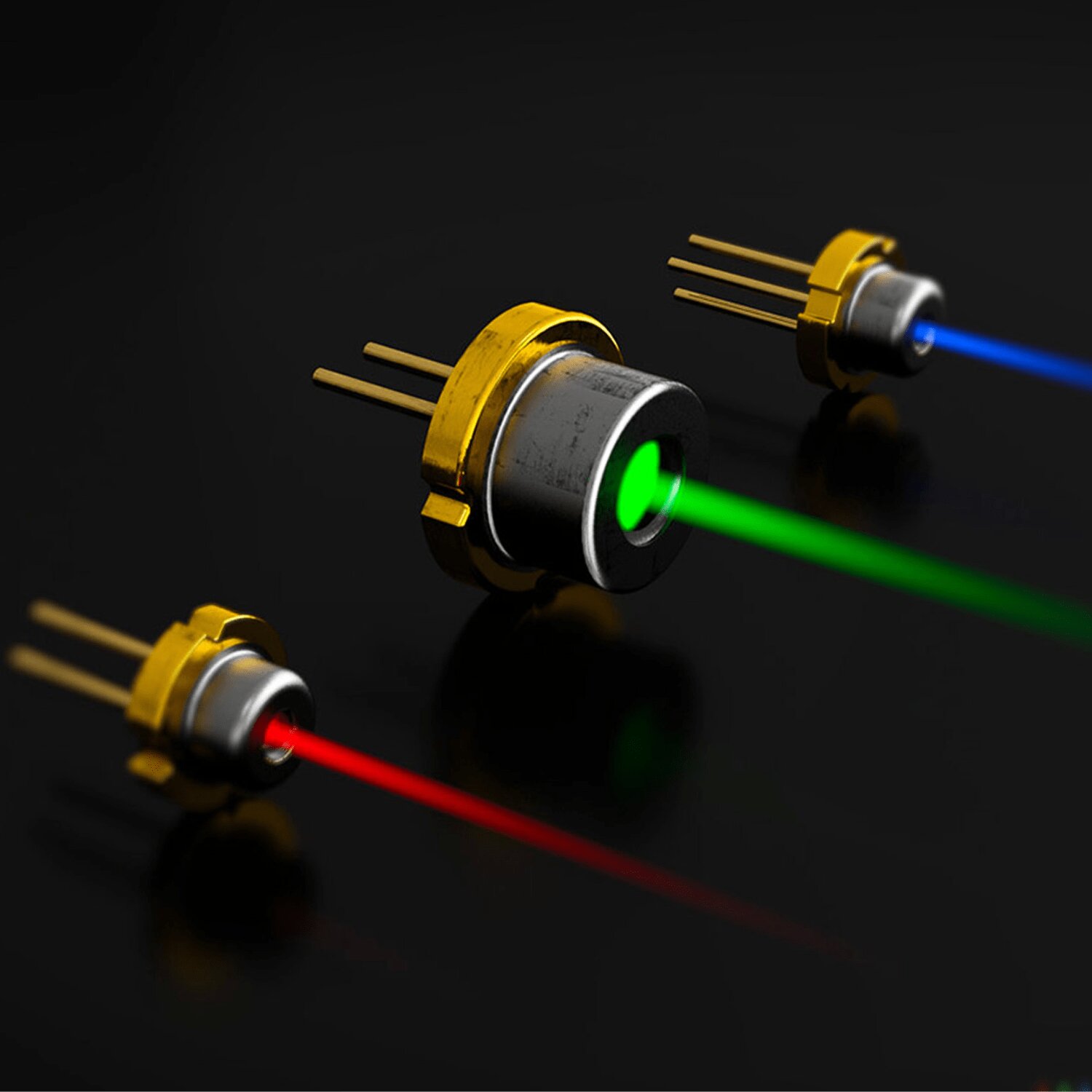
2026-02-04 Laser diodes (LDs) are widely used in various fields such as optical communication, industrial processing, medical treatment, and sensing, and mastering their core terms is crucial for technical communication, product selection, and performance evaluation. These terms cover the most frequently used concepts in technical documents, product specifications, and marketing copy.
Read More 

