
2026-09-05 We will attend the 27th China International Optoelectronic Exposition (Sep 9‑11, Shenzhen World). Come and discover our new optoelectronic products & solutions. Our team is ready for technical consultation and business talks at Booth 4D045 . Welcome to visit us.
Read More 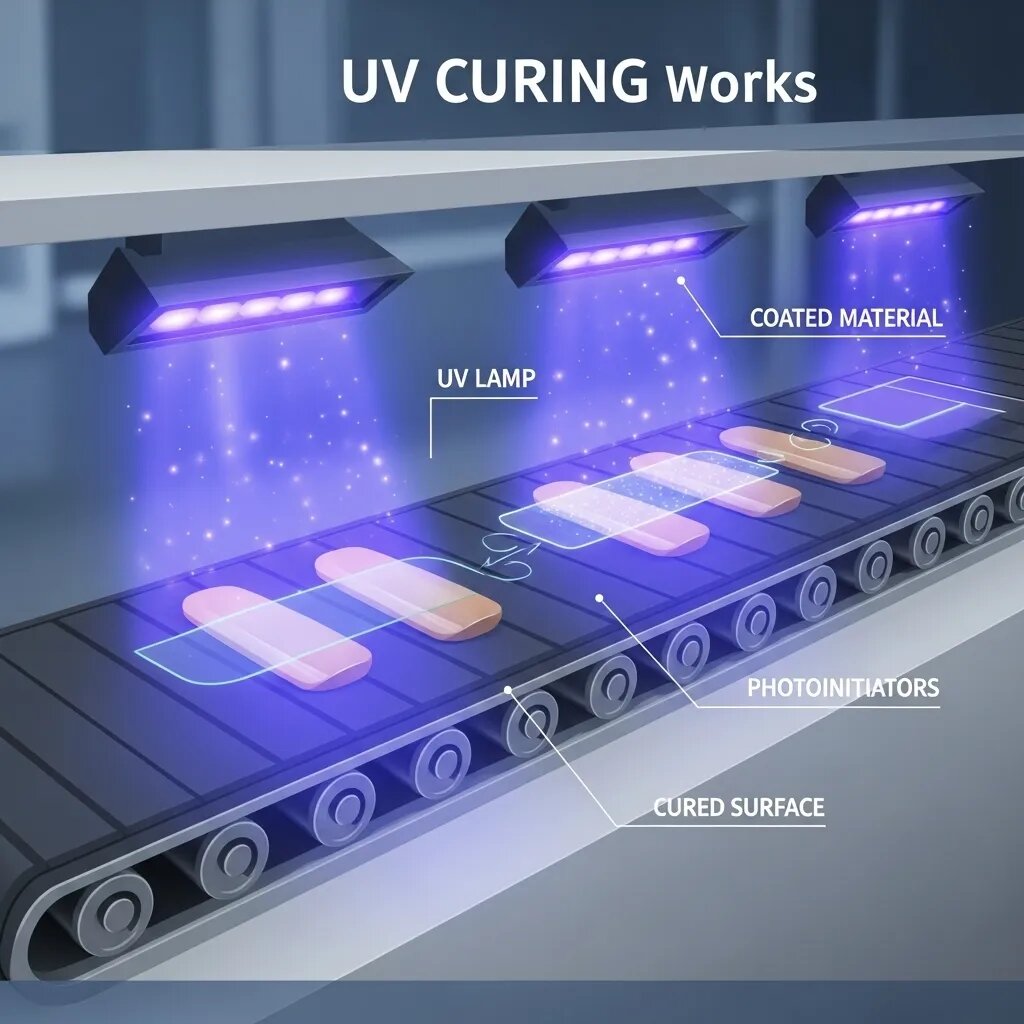
2026-07-30 UV curing is a high-efficiency, environmentally friendly photochemical manufacturing technology widely used in modern precision industrial production. Different from traditional thermal curing that relies on high-temperature baking, UV curing uses specific ultraviolet photon energy to excite photoinitiators inside UV glue, resin, ink and coating materials, triggering instantaneous cross-linking polymerization reactions. It converts liquid materials into solid high-molecular structures within seconds, achieving fast surface drying, bonding fixing and surface hardening without high-temperature heating.
Read More 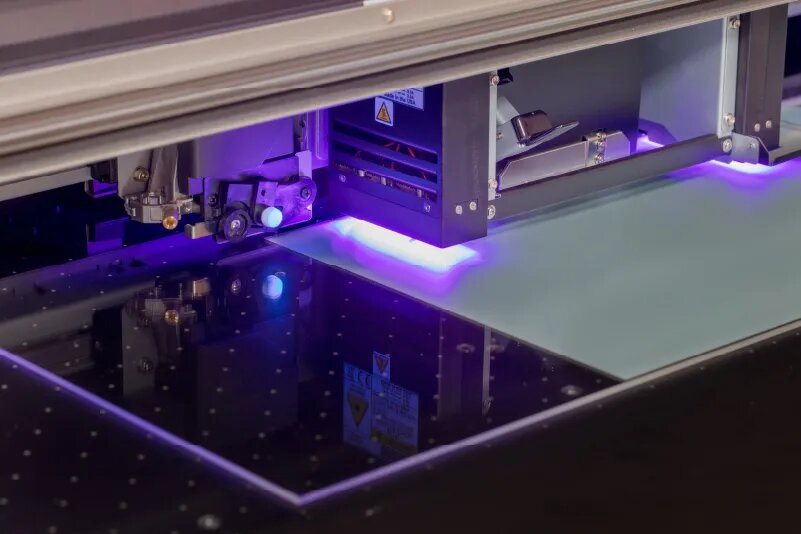
2026-07-20 LDI, the full name of Laser Direct Imaging, is a digital maskless lithography technology that has completely replaced traditional film exposure processes in high-end printed circuit board manufacturing, covering rigid PCB, flexible FPC, HDI boards and IC packaging carrier boards. The traditional PCB exposure process relies on physical photomask films; circuit patterns are transferred to the photoresist coated on substrates through film light shielding. This process inevitably brings multiple defects such as film thermal expansion and contraction deviation, surface dust pollution, film scratches and high film production costs.
Read More 
2026-07-20 LDI, the full name of Laser Direct Imaging, is a digital maskless lithography technology that has completely replaced traditional film exposure processes in high-end printed circuit board manufacturing, covering rigid PCB, flexible FPC, HDI boards and IC packaging carrier boards. The traditional PCB exposure process relies on physical photomask films; circuit patterns are transferred to the photoresist coated on substrates through film light shielding. This process inevitably brings multiple defects such as film thermal expansion and contraction deviation, surface dust pollution, film scratches and high film production costs.
Read More 
2026-07-04 The 650nm red laser module is one of the most mature, cost-effective and widely used visible semiconductor laser solutions in the industrial optics industry. With a moderate wavelength, excellent beam collimation and stable luminous performance, the 650nm red laser achieves balanced visibility and system compatibility, making it the standard light source for industrial positioning, auxiliary marking and low-light machine vision inspection.
Read More 
2026-06-27 The 405nm violet laser module is a core near-ultraviolet semiconductor laser widely used in industrial high-precision processing and optical inspection fields. Benefiting from its short wavelength and high photon energy, the 405nm laser delivers stronger material excitation capability compared with common red and green visible lasers, making it uniquely suitable for resin activation, fluorescent reaction triggering and micro-defect identification.
Read More 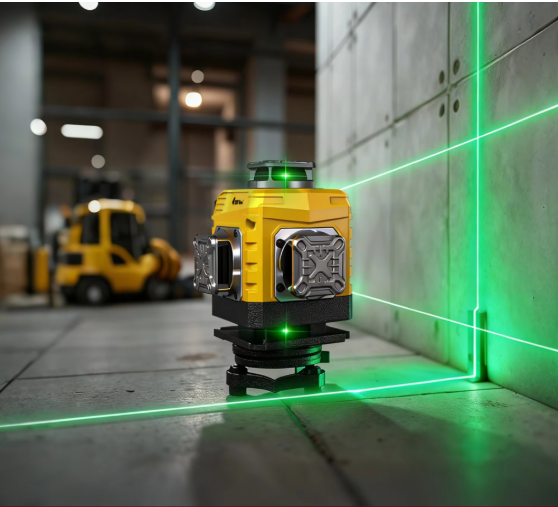
2026-06-20 The 520nm green laser module is a high-performance visible semiconductor laser specially designed for industrial positioning, auxiliary marking and visual calibration. Compared with traditional 650nm red laser modules, the 520nm green laser possesses extremely high human-eye visibility, delivering brighter, finer and more concentrated beam performance even under strong ambient light, outdoor sunlight and complex factory lighting conditions.
Read More 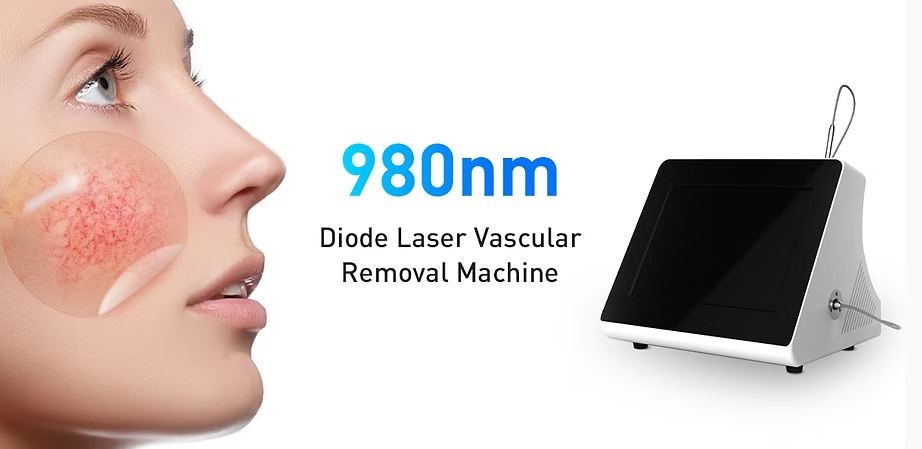
2026-06-13 The 980nm semiconductor laser module is a near-infrared light source featuring excellent beam quality, low heat generation, high concealment and enhanced eye safety. It serves as a core light source widely used in industrial sensing, intelligent equipment, scientific detection and security night vision systems.
Read More 
2026-06-13 A speckle structured light laser is an integrated laser module composed of laser chip, driving circuit and DOE (Diffractive Optical Element). It diffracts single laser beam into millions of fixed, pseudo-random speckle dots via special DOE optics and projects unique granular speckle patterns onto target surfaces.
Read More 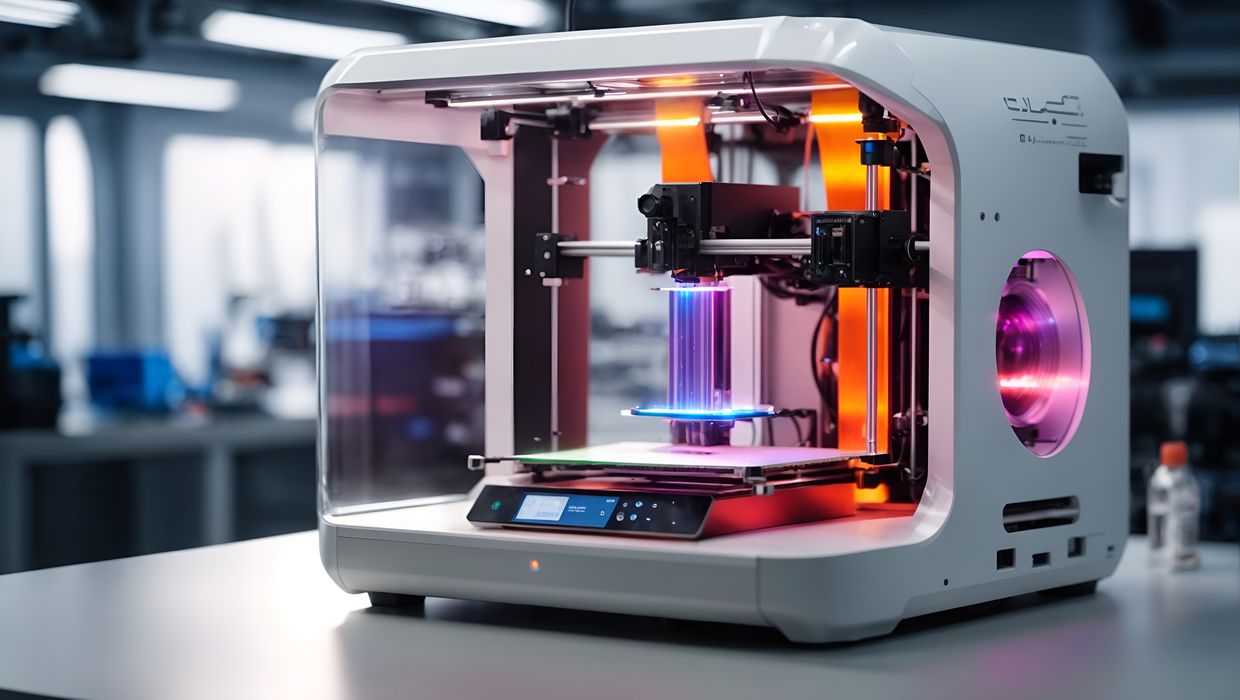
2026-06-12 3D printing defect detection is a quality control procedure to find abnormal flaws during or after additive manufacturing, aiming to eliminate unqualified parts caused by layer shifting, missing printing, air pores, surface pits, warpage, unfused powder and dimensional deviation.
Read More 

