

Views: 0 Author: Site Editor Publish Time: 2025-11-20 Origin: Site


Infrared laser diodes are revolutionizing industries with their efficient, invisible light. But what makes them so crucial? In this article, we'll dive into the technology behind infrared laser diodes. You’ll learn how they work, their key applications, and why they stand out compared to other lasers.
Infrared laser diodes are compact, semiconductor-based devices that emit coherent light in the infrared spectrum. Unlike traditional lasers, they are designed to emit light that is invisible to the human eye, typically within the wavelength range of 700 nm to 1 mm. These lasers are highly efficient and often used in specialized applications where visible light is not required, such as in communications, medical devices, and industrial processes.
An infrared laser diode generates light by using a semiconductor material, which is typically Gallium Arsenide (GaAs) or a doped combination of materials. It relies on the principle of a diode junction, where electrical current is passed through a semiconductor material, leading to the emission of light in the infrared range.
● Wavelength Range: The wavelengths of infrared laser diodes generally span from 700 nm to 1 mm. This range falls outside the visible spectrum, making it ideal for applications that require non-visible light.
● Invisible to the Human Eye: Due to the wavelength, infrared light cannot be seen by the naked eye, which is a significant advantage for certain tasks. For example, it can be used in surveillance systems, night vision, and certain medical treatments without interfering with the human visual environment.
● Compact and Energy-Efficient Design: Infrared laser diodes are known for their small size and low power consumption. They offer high efficiency compared to other types of lasers, making them suitable for portable devices and large-scale systems where power management is critical.
Infrared laser diodes are crafted from high-quality semiconductor materials, with Gallium Arsenide (GaAs) being one of the most commonly used components. This material is ideal for creating the conditions needed for efficient light emission.
● Material Composition: GaAs is favored for its ability to efficiently produce infrared light. The material is doped with other elements to fine-tune the laser's output wavelength and optimize performance.
● Power Output: Infrared laser diodes can vary in output power, from low-power devices used in consumer electronics to high-power versions employed in industrial settings. Their power output can range from milliwatts (mW) to hundreds of watts (W), depending on the application.
● Energy Efficiency: One of the standout features of infrared laser diodes is their energy efficiency. Compared to other types of lasers, they consume less power while delivering high performance. This efficiency makes them ideal for applications in which battery life or power consumption is a concern, such as in remote sensing or handheld devices.
● Reliability and Longevity: These diodes are highly reliable, with long operational lifespans. The semiconductor-based design ensures that they can withstand harsh environments, making them useful in industries like automotive, aerospace, and telecommunications.
Feature | Infrared Laser Diode | Other Laser Types (e.g., CO₂, Visible) |
Wavelength Range | 700 nm – 1 mm | Visible: 400–700 nm, CO₂: 10.6 μm |
Design | Semiconductor-based | CO₂: Gas discharge, Visible: Similar |
Power Output | Low to Medium | CO₂: High (kW range), Visible: Low |
Energy Efficiency | High | Variable (lower for other types) |
Glare Reduction | Eliminates glare | May cause glare (visible lasers) |
The ability of infrared laser diodes to eliminate glare is particularly useful in environments where clear, uninterrupted vision is essential, such as in medical diagnostics or military applications. For example, infrared lasers are widely used in LIDAR systems for autonomous vehicles because they can provide accurate readings without affecting visibility.
Infrared laser diodes also stand out for their ability to be tuned to specific wavelengths, which makes them highly versatile. Their design allows them to be adapted for various applications, from telecommunications to consumer devices, without compromising on performance.
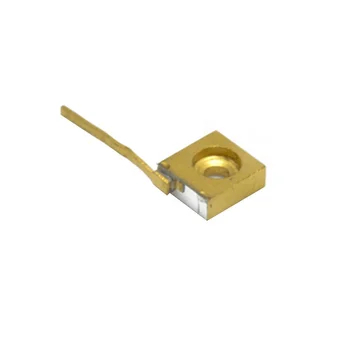
Infrared laser diodes operate on principles similar to other semiconductor lasers. They use a specially designed PN junction to generate light, offering efficient, high-performance output. Here's a look at how these devices work in detail:
At the heart of the infrared laser diode is the PN junction. This junction consists of two types of semiconductor material: P-type (positively charged) and N-type (negatively charged). When electrical current is applied across the junction, electrons from the N-type material and holes from the P-type material move toward the junction area.
As the electrons and holes meet at the junction, they recombine, releasing energy in the form of photons. This process is known as electron-hole recombination. The energy released by this recombination results in the generation of light. The emitted light is typically in the infrared spectrum, depending on the materials used and the specific design of the laser diode.
● Forward Voltage: A forward voltage is applied to the diode, pushing electrons and holes toward the junction.
● Electron-Hole Recombination: When the electrons and holes recombine, they emit light.
● Photon Emission: The recombination produces photons that carry energy, which forms the laser beam.
In addition to the basic diode structure, optical elements are crucial for shaping and amplifying the emitted infrared light. These optical components, such as mirrors and lenses, help direct the light into a coherent beam, allowing it to be focused and used for various applications. Without these elements, the emitted light would be scattered and less effective.
The wavelength of the emitted infrared light depends largely on the bandgap of the semiconductor material used. The bandgap is the energy difference between the conduction band (where electrons can move freely) and the valence band (where electrons are bound to atoms). When electrons jump from the valence band to the conduction band, they release energy in the form of light.
● Bandgap and Wavelength: The size of the bandgap determines the energy of the emitted photons and, consequently, the wavelength of the infrared light. For example, materials with larger bandgaps produce shorter wavelengths, while those with smaller bandgaps emit longer wavelengths.
The emitted light can also undergo two types of emission: spontaneous and stimulated.
● Spontaneous Emission: In spontaneous emission, electrons randomly recombine with holes and release photons. This process occurs without any external influence.
● Stimulated Emission: In stimulated emission, a photon generated by spontaneous emission can stimulate other electrons to recombine and emit more photons, resulting in a more coherent and powerful beam. This is the key principle behind laser operation.
Feature | Infrared Laser Diode | Other Laser Types |
Wavelength | 700 nm – 1 mm | Visible: 400–700 nm, CO₂: 10.6 μm |
Core Design | Semiconductor PN junction | CO₂: Gas discharge tube |
Power Output | Low-to-medium (mW to W) | CO₂: High power (kW) |
Efficiency | High | Variable (depends on laser type) |
Emission Type | Spontaneous and stimulated | CO₂: Only spontaneous |
The use of optical elements like mirrors and lenses in the infrared laser diode helps ensure that the laser beam is focused and usable for various tasks. These elements can adjust the beam’s focus and shape, making the diode more versatile and effective in different industries, such as medical applications, telecommunications, and security.
Infrared laser diodes have become indispensable in modern technology due to their efficiency, reliability, and precise control over wavelength emission. The technology behind them allows for a variety of applications, from laser pumping to sensing, where high energy efficiency and the ability to emit invisible light are critical.
Infrared laser diodes have become essential in a variety of industries due to their compact design, energy efficiency, and the ability to emit invisible light. Their versatility allows them to be used in a wide range of applications, from industrial processes to medical therapies and security systems. Let’s take a closer look at some of the key areas where infrared laser diodes are making a significant impact.
Infrared laser diodes play a crucial role in various material processing applications. Their ability to emit precise and controlled infrared light makes them ideal for tasks such as plastic welding, metal marking, and precision soldering. These lasers can cut, mark, or weld materials with high accuracy, which is especially valuable in industries like electronics, automotive manufacturing, and aerospace.
● Plastic Welding: Infrared lasers are used to weld plastic parts together, offering a clean and strong bond. The precision of the laser ensures minimal thermal damage to surrounding areas, making it ideal for sensitive components.
● Metal Marking: Infrared laser diodes are used to mark metal surfaces with codes, logos, and other identifiers. The laser’s ability to penetrate the material’s surface without causing significant heat damage makes it perfect for delicate applications.
● Precision Soldering: In electronics, infrared lasers can be used for soldering small components onto circuit boards. Their focused energy allows for efficient heat application, ensuring the components are soldered without damaging nearby parts.
Another important industrial application of infrared laser diodes is in fiber-optic communication networks. These lasers provide the energy needed for transmitting data through fiber-optic cables, offering fast and reliable communication. Their ability to emit in the near-infrared range, typically around 850 nm to 980 nm, allows for high-speed data transmission over long distances.
Infrared laser diodes are widely used in non-invasive therapies. Their ability to emit invisible light makes them ideal for applications in pain management and wound healing. Unlike traditional lasers that may cause discomfort or require direct visibility, infrared lasers can penetrate the skin without causing damage to the surface.
● Pain Management: Infrared lasers are used in therapeutic devices to treat chronic pain. The light energy is absorbed by tissues, promoting healing and reducing inflammation. This application is commonly used in physical therapy and rehabilitation.
● Wound Healing: Infrared lasers can stimulate tissue regeneration, speeding up the healing process for wounds. They promote cell growth and improve blood circulation, helping patients recover faster from injuries.
Additionally, infrared laser diodes are used in diagnostic tools. They are integral to medical imaging devices, such as those used for optical coherence tomography (OCT), which provides high-resolution images of tissue structures. These lasers allow for detailed imaging without the need for invasive procedures.
One of the most exciting uses of infrared laser diodes is in security and sensing systems. Their ability to operate in low-light conditions makes them indispensable for applications like LIDAR systems used in autonomous vehicles and robotics. These systems rely on infrared light to detect objects, measure distances, and create 3D maps of environments.
● LIDAR Systems: Infrared laser diodes are key to the function of LIDAR systems, which use light to detect obstacles and navigate vehicles autonomously. The laser’s invisible light allows for precise measurements and detailed mapping, even in challenging conditions such as fog or darkness.
● Night-Vision Devices: Infrared laser diodes are used in night-vision devices, allowing users to see in complete darkness. These systems are commonly used in military, law enforcement, and security applications, where visibility in low-light conditions is essential.
● Motion Detectors and Surveillance Systems: Infrared lasers are also used in motion detection and surveillance systems. Their ability to work in low-light environments makes them ideal for detecting movement and providing surveillance without the need for visible light.
Application Area | Key Uses | Benefits |
Material Processing | Plastic welding, metal marking, soldering | Precision, minimal heat damage |
Fiber-Optic Communication | Data transmission over long distances | Fast, reliable, high-speed transmission |
Medical and Therapeutic | Pain management, wound healing, diagnostics | Non-invasive, promotes healing |
Security and Sensing | LIDAR, night-vision, motion detection | Works in low light, precise detection |
Tip: Infrared laser diodes are crucial in many modern technologies. Their unique properties—like energy efficiency and invisible light emission—make them perfect for sensitive, high-precision tasks across industries.
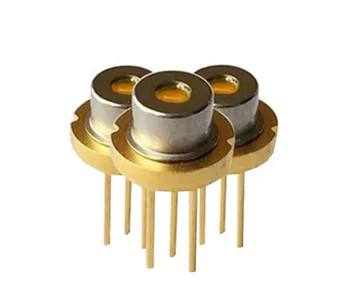
Infrared laser diodes have become popular in various industries due to their efficiency, portability, and cost-effectiveness. These advantages make them suitable for both consumer and industrial applications, offering benefits such as minimal glare and energy savings. Let’s dive deeper into the key advantages that make infrared laser diodes a great choice for modern technology.
One of the main benefits of infrared laser diodes is their compact design. These devices are small and lightweight, making them easy to integrate into both handheld devices and large systems. Whether it’s a medical diagnostic tool or a consumer electronics product, the compact nature of infrared laser diodes allows them to fit into tight spaces without compromising on performance.
● Low Power Usage: Infrared laser diodes are energy-efficient, using significantly less power compared to other laser types like CO₂ lasers. This efficiency is crucial for applications where battery life or power consumption is a concern. For example, sensors and telecommunication devices that use infrared lasers can operate longer without needing frequent recharges or power boosts.
● Minimal Glare and Enhanced Night Vision: Infrared light, being invisible to the human eye, eliminates glare. This is a critical feature in many night-vision devices, surveillance cameras, and security systems. The ability to operate in low-light environments without disrupting visibility is an essential advantage. It allows for clear imaging and sensing in situations where traditional lighting might be too harsh or visible light could interfere.
Infrared laser diodes are not only efficient but also cost-effective. Compared to other types of lasers, such as CO₂ lasers, infrared laser diodes are relatively affordable. This makes them accessible to a wide range of users, from industrial manufacturers to small consumer product developers.
● Moderate Pricing: While CO₂ lasers can cost thousands of dollars and require complex setups, infrared laser diodes are available at a much lower price point. This makes them ideal for both industrial and consumer applications. Whether used for medical therapies, sensing devices, or data transmission, infrared laser diodes provide excellent value for the money.
● Wide Range of Applications: Their moderate pricing doesn’t limit infrared laser diodes to a niche market. In fact, these lasers are used across various sectors, from telecommunications to automotive industries. Whether in consumer electronics like remote controls or precision medical equipment, their accessibility allows for broad use, even by small businesses or startups.
Feature | Infrared Laser Diode | CO₂ Laser |
Power Usage | Low power consumption | High power consumption |
Size | Compact and portable | Bulky, requires large setups |
Cost | Moderate pricing | Expensive, high maintenance |
Applications | Consumer, industrial, medical | Heavy-duty industrial tasks |
Efficiency | High energy efficiency | Energy-intensive |
Infrared laser diodes offer a perfect balance of power, portability, and cost. They combine energy efficiency with affordability, making them a practical solution for many industries. Whether for telecommunication, medical, or security systems, these lasers provide reliable performance at a fraction of the cost of other laser technologies.
Infrared laser diodes are compact, energy-efficient devices that emit invisible light in the infrared spectrum. They operate based on a semiconductor PN junction, with applications in material processing, telecommunications, medical therapies, and security. Compared to other laser types, they offer advantages such as low power usage, minimal glare, and cost-effectiveness. Their growing importance across industries highlights their value. BU-LASER provides advanced infrared laser diode solutions, offering reliability and efficiency in their products, benefiting industries seeking precision and affordability.
A: An infrared laser diode is a semiconductor-based device that emits invisible light in the infrared spectrum, typically used in applications like sensing, telecommunications, and medical devices.
A: A diode laser operates by applying a forward voltage across a PN junction in a semiconductor, causing electrons and holes to recombine and emit photons, producing a coherent light beam.
A: Infrared diode lasers are compact, energy-efficient, and produce minimal glare, making them ideal for applications like night-vision devices, sensing, and fiber-optic communication.
A: Compared to visible diode lasers, infrared laser diodes emit invisible light, making them better suited for applications like security systems, while CO₂ lasers offer higher power for industrial cutting.


