Views: 0 Author: Site Editor Publish Time: 2025-11-13 Origin: Site


Have you ever wondered how diode lasers differ from traditional lasers? Understanding these differences can help you make informed choices in both industrial and everyday applications.
In this article, we'll explore the key distinctions between diode lasers and other types like fiber, CO₂, and solid-state lasers. You'll learn about their structure, performance, and where each type excels in use cases.
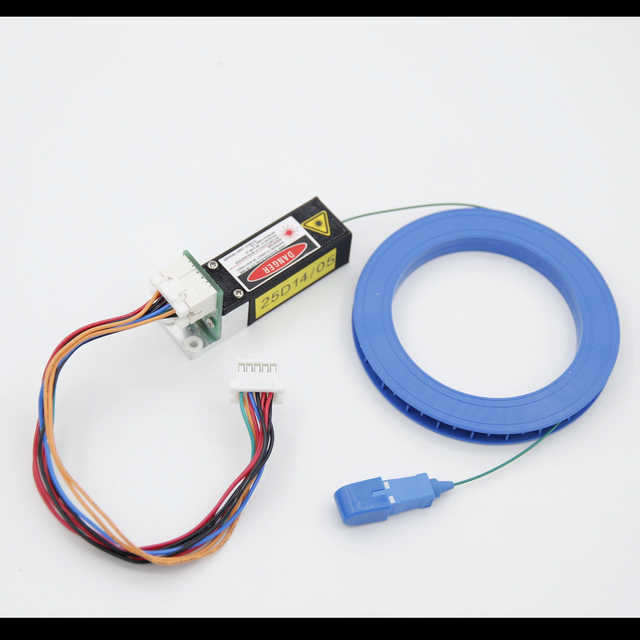
Diode lasers operate based on a simple yet effective principle: the electron-hole recombination in a PN junction. When current flows through the diode, electrons in the semiconductor material jump to lower energy levels, where they meet “holes” (spaces left behind by electrons). This process releases photons, creating laser light.
The main part of a diode laser is its semiconductor material, typically made of gallium nitride (GaN) or gallium arsenide (GaAs). These materials are excellent at producing light when electrical current is applied. The combination of this semiconductor material and the PN junction forms the heart of the diode laser.
Additionally, diode lasers use optical elements like mirrors and lenses to focus and shape the laser beam. These components are essential for directing the light precisely where it’s needed.
The core material in diode lasers is the semiconductor. These materials, such as GaN and GaAs, are essential for the laser's ability to generate light. The PN junction, where the positive and negative sides of the semiconductor meet, plays a critical role in the recombination of electrons and holes, releasing photons in the process.
The optical elements—mainly mirrors and lenses—are used to shape and direct the beam. The mirrors reflect light to increase intensity, while the lenses focus the laser into a precise spot. This helps to create a controlled, focused beam that is useful for many applications, such as in medical devices or consumer electronics.
Here’s a simple table that highlights the main components of a diode laser:
Component | Role/Function |
Semiconductor | GaN or GaAs material generates laser light when current is applied. |
PN Junction | Electron-hole recombination area, where photons are emitted. |
Optical Elements | Mirrors and lenses shape and focus the laser beam. |
Diode lasers come with several distinct benefits that make them a popular choice in various industries:
● Compact Size and Portability: Diode lasers are much smaller and lighter than traditional lasers, making them ideal for portable devices. They can be integrated into small gadgets, like laser pointers or barcode scanners.
● High Energy Efficiency: One of the standout features of diode lasers is their energy efficiency. They convert a high percentage of electrical energy into light, which minimizes power consumption. This makes them highly efficient for applications that require long operational times without draining too much energy.
● Minimal Heat Generation: Due to their efficient energy use, diode lasers produce less heat compared to traditional lasers. This is important for maintaining the performance of the device, especially in delicate applications like medical treatments or optical communication.
● Long Lifespan and Low Maintenance: Diode lasers last longer than many traditional lasers, thanks to their simpler design and fewer components that wear out. This reduces the need for maintenance, making them cost-effective over time.
These advantages make diode lasers a top choice in fields ranging from consumer electronics to medical technology, where size, efficiency, and long-lasting performance are key.
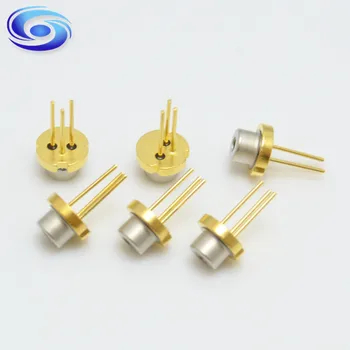
Fiber lasers are known for their efficiency and precision. The core of a fiber laser is the rare-earth-doped optical fiber. This fiber, typically doped with elements like ytterbium or erbium, acts as the gain medium, where laser light is generated. When a diode laser is used as the pump source, it excites the ions in the fiber, which then emit photons that form the laser beam.
These lasers are highly efficient, producing powerful beams with minimal heat generation. The fiber itself is flexible, making it easier to direct the laser beam with high precision.
Fiber lasers are commonly used in industries that need precision, such as metal cutting and welding. The wavelength range (typically 1.06 μm) makes them particularly effective for processing metals.
CO₂ lasers work by using a gas discharge to generate light. The laser cavity contains a mixture of carbon dioxide (CO₂), nitrogen, and helium gases. When an electrical current excites these gases, they produce photons that form the laser beam.
CO₂ lasers are widely used in applications where high-power beams are needed for cutting or engraving materials like wood, acrylic, and leather. The wavelength of a CO₂ laser is typically 10.6 μm, which is highly absorbed by non-metallic materials.
Applications of CO₂ lasers:
● Wood Cutting: CO₂ lasers are often used for detailed woodwork and furniture making.
● Acrylic Engraving: CO₂ lasers can cut and engrave acrylics for signage and design projects.
● Leather Engraving: Used for making detailed patterns on leather goods.
Material Processed | Key Application |
Wood | Cutting, engraving for furniture, signage. |
Acrylic | Cutting, engraving for decorative purposes. |
Leather | Engraving for fashion and accessories. |
CO₂ lasers are well-known for their ability to handle both cutting and engraving with high precision, making them a favorite in manufacturing and design industries.
Solid-state lasers use crystalline materials or glass as the gain medium. Materials like ruby and neodymium-doped yttrium aluminum garnet (Nd:YAG) are commonly used. In these lasers, an external pump source like a flashlamp or another laser is required to excite the atoms in the solid material, causing them to emit photons and generate the laser light.
Solid-state lasers are capable of producing high-powered beams and are used in applications such as scientific research and high-precision cutting. The wavelength of a Nd:YAG laser is typically around 1.06 μm, making it ideal for cutting metals.
Here’s a quick comparison of solid-state lasers:
Component | Role/Function |
Crystalline Material | Acts as the gain medium for light generation. |
Flashlamp | Provides external energy to excite the atoms in the medium. |
Solid-state lasers are commonly used in:
● Scientific research: High-power applications in laboratories.
● Military and defense: For precise targeting and range finding.
These lasers are larger and require more maintenance than diode or fiber lasers, but they are crucial in fields requiring significant power and precision.
Tip: As you can see, each type of laser has its unique characteristics and applications, offering varying levels of power, efficiency, and maintenance requirements.
The core difference between diode lasers and normal lasers lies in how they generate light. Diode lasers use the PN junction principle, where an electrical current passes through a semiconductor material. This excites electrons, which then combine with holes to release photons and create laser light. It’s a simple and efficient process with fewer components.
In contrast, normal lasers, such as fiber, CO₂, and solid-state lasers, rely on different gain mediums. For example, fiber lasers use rare-earth-doped optical fibers, CO₂ lasers use a gas discharge to excite CO₂ molecules, and solid-state lasers use crystal materials like neodymium-doped yttrium aluminum garnet (Nd:YAG). These lasers generally need additional external energy sources (like pump sources) to produce laser light.
Laser Type | Gain Medium | Principle |
Diode Laser | Semiconductor materials (GaN, GaAs) | Electron-hole recombination in a PN junction to generate light. |
Fiber Laser | Rare-earth-doped optical fibers | Uses diode lasers to excite ions in fibers, emitting photons. |
CO₂ Laser | CO₂ gas mixture | Electrical discharge excites gas to emit photons. |
Solid-State Laser | Crystalline materials (e.g., Nd:YAG) | Uses flash lamps to excite crystals, generating photons. |
Diode lasers are known for their compact size and portability. Their simple design, with fewer components, makes them lighter and easier to integrate into small devices like laser pointers, barcode scanners, and portable medical equipment. They don’t require bulky cooling systems or external pump sources, which makes them highly suited for consumer electronics and smaller applications.
On the other hand, normal lasers are generally bulkier and require more space. For example, CO₂ lasers need a large system to handle the gas discharge process, and solid-state lasers often need heavy flash lamps and cooling systems. Even fiber lasers, though more compact than other normal lasers, are still larger and more complex than diode lasers.
Laser Type | Size & Portability | Use Case |
Diode Laser | Compact, lightweight, portable | Ideal for small-scale, portable applications. |
Fiber Laser | Relatively compact but bulkier than diode lasers | Used for industrial, precision tasks. |
CO₂ Laser | Large and requires dedicated space for gas discharge | Common in woodworking and engraving. |
Solid-State Laser | Bulky, needs external pump source | Used for high-power industrial cutting. |
When it comes to power output, diode lasers are typically designed for low-to-medium power applications. This makes them ideal for tasks that don’t require extreme energy levels, such as laser pointers, engraving small items, and medical applications like low-intensity laser therapy. They can generate enough power for these uses without requiring a large energy supply.
In contrast, normal lasers are capable of generating much higher power outputs, which makes them suitable for industrial tasks like cutting and welding. Fiber lasers can handle kW-level power, while CO₂ lasers and solid-state lasers can go even higher, making them essential for heavy-duty applications in manufacturing and research.
Diode lasers are well-known for their high energy efficiency. They convert most of the electrical energy into light, which reduces power consumption and minimizes heat production. This efficiency is one of the reasons they are used in portable devices, where power savings and heat management are crucial. Additionally, diode lasers require minimal maintenance, thanks to their simple design and long-lasting components.
In comparison, normal lasers, especially CO₂ lasers, require more maintenance. The gas mixture in CO₂ lasers needs to be replenished regularly, and solid-state lasers require maintenance of their flash lamps and cooling systems. Even though fiber lasers are efficient, they still require regular upkeep due to the complexity of their systems.
Tip: Diode lasers stand out due to their simplicity, low power consumption, and ease of maintenance, while normal lasers are more suitable for high-power, industrial, or research-focused tasks.
Diode lasers are widely used in consumer electronics, where their compact size and energy efficiency make them ideal for various applications. One of the most common uses is in laser pointers. These small, portable devices use diode lasers to produce a bright, visible light, often used for presentations or pointing at objects.
Another significant application is in optical drives, such as CD/DVD/Blu-ray players. Diode lasers in these devices read and write data onto optical discs. The precision of diode lasers allows for efficient data storage and retrieval, making them a key component in media technology.
Additionally, facial recognition technology in smartphones and other devices often uses diode lasers. The laser helps to project a grid of light onto the face, which is then detected by a sensor to create a 3D image for accurate recognition. This feature has become a common security measure in modern smartphones.
Application | Device/Technology | Function |
Laser Pointers | Presentation tools, pointers | Projects visible light for pointing purposes. |
Optical Drives | CD/DVD/Blu-ray players | Reads and writes data on optical discs. |
Facial Recognition | Smartphones, security systems | Projects light for accurate 3D facial scanning. |
In the medical field, diode lasers are used for low-intensity laser therapy and precision surgeries. The low-intensity laser therapy uses the laser’s energy to promote healing by stimulating blood flow and reducing inflammation. This treatment is widely used for conditions like chronic pain and muscle injuries.
Diode lasers are also used in laser scalpels, which provide precision cutting for delicate procedures. These lasers can cut through tissue with minimal damage to surrounding areas, reducing the risk of bleeding. This makes them valuable in eye surgeries, such as LASIK and cataract removal.
Their versatility, combined with minimal heat generation and precision, makes diode lasers highly beneficial in medical applications. They offer effective, less invasive treatment options that are becoming increasingly popular in modern healthcare.
Medical Application | Device | Purpose |
Low-Intensity Laser Therapy | Therapeutic devices | Relieves pain and promotes healing. |
Laser Scalpels | Surgical tools | Performs precision cutting in surgeries. |
Eye Surgeries (LASIK, etc.) | Medical lasers | Provides precision in vision correction. |
Diode lasers have become increasingly popular in hobbyist and small business applications due to their affordability and ease of use. One common use is for engraving materials like wood, plastic, and cardboard. These lasers are capable of creating detailed designs and patterns, making them ideal for crafting, signage, and personalized gifts.
Small businesses also use diode lasers in laser cutting for creating custom products or prototypes. The precise control offered by diode lasers allows users to work with various materials, creating intricate shapes and designs with ease. This makes diode lasers an excellent choice for small-scale manufacturing, artisanal work, and customization services.
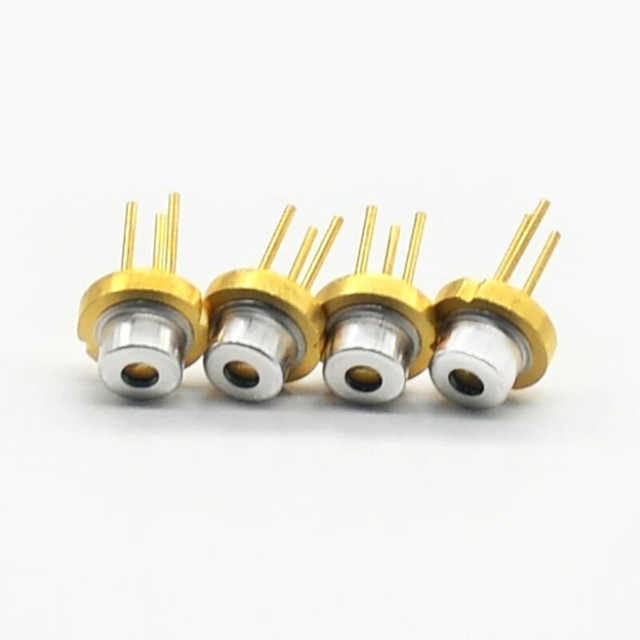
Fiber lasers are widely used in industrial metal processing due to their high power and precision. These lasers are particularly effective for cutting, welding, and 3D printing of materials like steel and aluminum. The key advantage of fiber lasers is their ability to focus on a small spot, providing precise cuts and welds, even in thick metals. Their efficiency also ensures that the laser beam can be maintained for longer periods, making them perfect for industrial-scale operations.
Fiber lasers have become a go-to choice in industries such as automotive manufacturing, aerospace, and metal fabrication. With their ability to cut through metals rapidly, fiber lasers help reduce production time and cost.
CO₂ lasers play a significant role in the creative and craft industries. These lasers are perfect for cutting and engraving materials like wood, leather, and acrylic. The wavelength of CO₂ lasers (around 10.6 μm) is highly absorbed by non-metallic materials, making them ideal for intricate cutting and engraving tasks in the crafting industry.
In woodworking, CO₂ lasers can carve detailed designs and shapes into wood, while in the leather industry, they can create precise patterns for bags, belts, and shoes. They are also used extensively for creating custom acrylic signs and decorations.
Solid-state lasers are often used in scientific and military applications. These lasers, such as Nd:YAG lasers, are capable of producing high-powered beams that are essential for research and defense systems. In the scientific field, solid-state lasers are used in spectroscopy, laser marking, and microscopy.
In the military, solid-state lasers play a critical role in targeting systems, range finding, and missile defense. They can precisely pinpoint targets and help with navigation and guidance systems. The high-power and focused nature of solid-state lasers make them ideal for such demanding applications.
Diode lasers are small, efficient, and ideal for low-power applications, such as consumer electronics and medical devices. In contrast, normal lasers like fiber, CO₂, and solid-state lasers are used for high-power tasks in industries like metal processing and research.
When choosing a laser, consider factors like portability, power needs, and application type. For smaller, portable tasks, diode lasers are perfect, while normal lasers excel in industrial and high-precision applications.
For quality laser solutions, BU-LASER offers advanced products that meet diverse needs, providing high efficiency and reliability. Their products are designed to deliver value across various industries.
A: A diode laser is a type of laser that uses a semiconductor material as the gain medium. It operates based on the PN junction principle, where electrical current excites electrons, generating photons.
A: Diode lasers are compact and efficient, used for low-power applications. In contrast, normal lasers like fiber or CO₂ lasers handle high-power tasks like industrial cutting and welding.
A: Choose a diode laser for portable, low-power tasks such as consumer electronics, engraving, or medical devices. Normal lasers are better for industrial or high-power applications.
A: Diode lasers offer high energy efficiency, long lifespan, low maintenance, and portability, making them ideal for smaller-scale, low-intensity tasks.